Loading Mission Control…
Important: Safe Vision is not an emergency service. If anyone is in immediate danger or cannot be kept safe, call 911 or go to the nearest emergency department.
Choose the pathway that best matches the need so the team can review the right next step.

Programs
Program pathways with clearer fit for families and referral partners
Safe Vision programs are organized so families, providers, and community partners can understand who each pathway is for, what kind of support it includes, and when it may be the right next step.

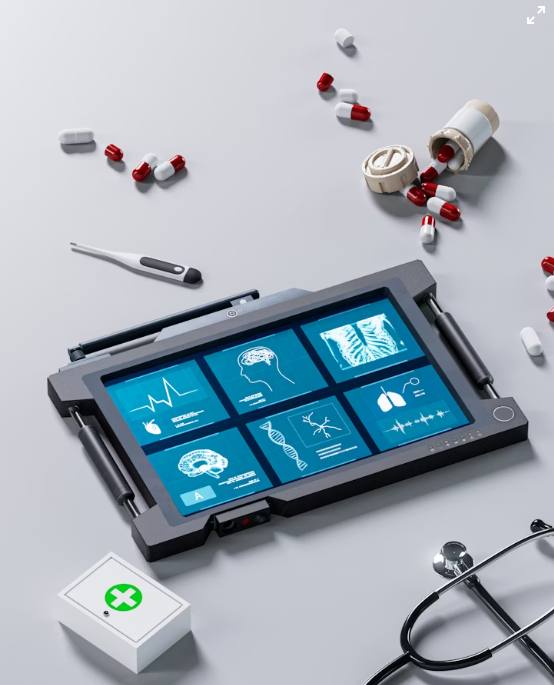
Clinical evaluation & medication management
Safe Vision's programs include structured clinical evaluations, medication-management support, and coordinated treatment planning — built to give families and referral partners a dependable, professionally guided experience from day one.
Program overview
Children & Family Treatment Support
Youth and families navigating emotional, behavioral, or care-coordination challenges.
A structured pathway that combines assessment, family engagement, care planning, and ongoing support to reduce fragmentation and improve continuity.
Individualized treatment planning
Family engagement and caregiver support
Coordinated follow-up across community settings
Referral fit: Useful when a child or family needs more support than a single visit and benefits from a coordinated plan that can continue over time.
Program overview
Family Support Program
Families who need stabilization, guidance, and stronger long-term support structure.
A higher-touch support model focused on helping families build practical routines, safer environments, and more durable systems of care.
Parent and caregiver support
Stabilization-oriented care goals
Practical follow-through around family functioning
Referral fit: Useful when caregiver strain, home instability, or repeated service disruption make a broader family-support response necessary.
Program overview
Medical & Behavioral Health Access Program
Individuals and families who need coordinated behavioral-health and medical support.
A signature access pathway that blends behavioral-health services, telehealth availability, medication-management support, and medical oversight.
Telehealth-enabled access
Medication-management coordination
Medical oversight within a family-centered care model
Referral fit: Useful when referral partners want a clearer destination for patients who need behavioral-health support plus stronger clinical coordination.
Program overview
Evaluations & Assessments
Patients, families, and partners who need a well-defined starting point and clearer recommendations.
Thoughtful evaluations that help clarify needs, support treatment planning, and make next-step decisions more grounded and actionable.
Behavioral-health evaluations
Clinical assessment and care-direction planning
Recommendations that improve referral clarity
Referral fit: Useful when a family or partner needs a more structured assessment before determining the right level of support.
Program overview
Crisis Response & Care Coordination
Families, caregivers, and partners facing urgent behavioral-health or continuity-of-care concerns.
Support designed to reduce escalation, establish a safer next step, and keep families connected to appropriate follow-up care.
Crisis-support planning
Care coordination and transition support
Continuity-focused follow-up guidance
Referral fit: Useful when the immediate goal is to stabilize the situation, reduce fragmentation, and establish a dependable plan for follow-through.
Program overview
Community-Based Support & Navigation
Families, schools, hospitals, case managers, facilities, and community organizations.
Practical support that helps people stay connected to care, understand service options, and navigate community systems with more confidence.
Community resource navigation
Partner communication and coordination
Alignment across home, school, healthcare, and community settings
Referral fit: Useful when families need coordination across multiple systems and benefit from a more connected support network.
Choosing the right program
Use program fit to guide the next conversation
If you already know the type of support needed, the program summaries can help narrow the best next step before submitting an inquiry or referral.
Families can use the program descriptions to understand where evaluations, treatment planning, caregiver support, and coordinated follow-through may fit.
Referral partners can use referral-fit language to decide whether a program aligns with the patient or family’s current needs.
If the exact program is unclear, Safe Vision can still review the inquiry and help determine the most appropriate pathway.
Next step
Turn program interest into a clear action
Once the likely fit is clearer, use the appointment or referral pathway so the intake team can review the situation and guide the next move.